From scattered SaaS ideas to Eastbase Studio
How a scatter of unrelated side projects — a trip planner, a freelancer tool, an AI cost monitor — became one studio with a single way of building.
Eastbase Lab · Field notes
Build notes, product decisions, and engineering lessons from the Eastbase Studio lab — written as we build, not after.
How a scatter of unrelated side projects — a trip planner, a freelancer tool, an AI cost monitor — became one studio with a single way of building.
23All notes
Long-form build logs from each product under the studio, repurposed into shorter posts across X, LinkedIn, and Reddit. Filter by what you're after.
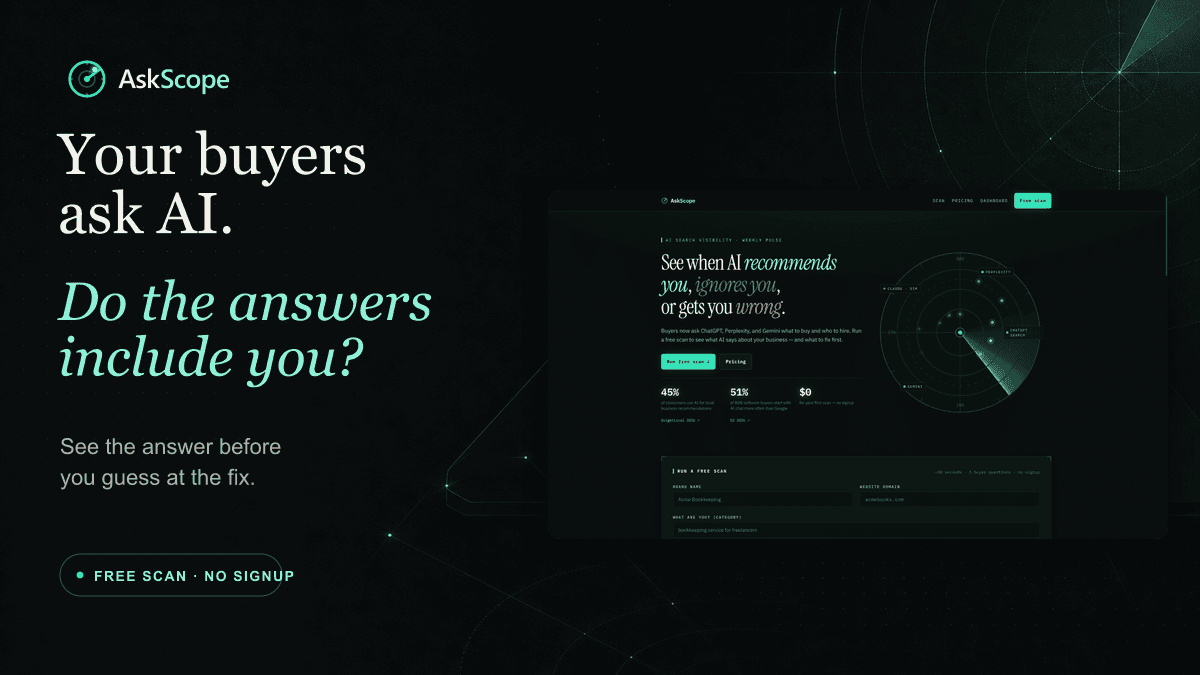
The buyer questions people put to AI assistants are a short, knowable list — and most of them never mention your brand. Here are the six shapes, why the unbranded ones decide whether you're discovered, and how to run them yourself in ten minutes.
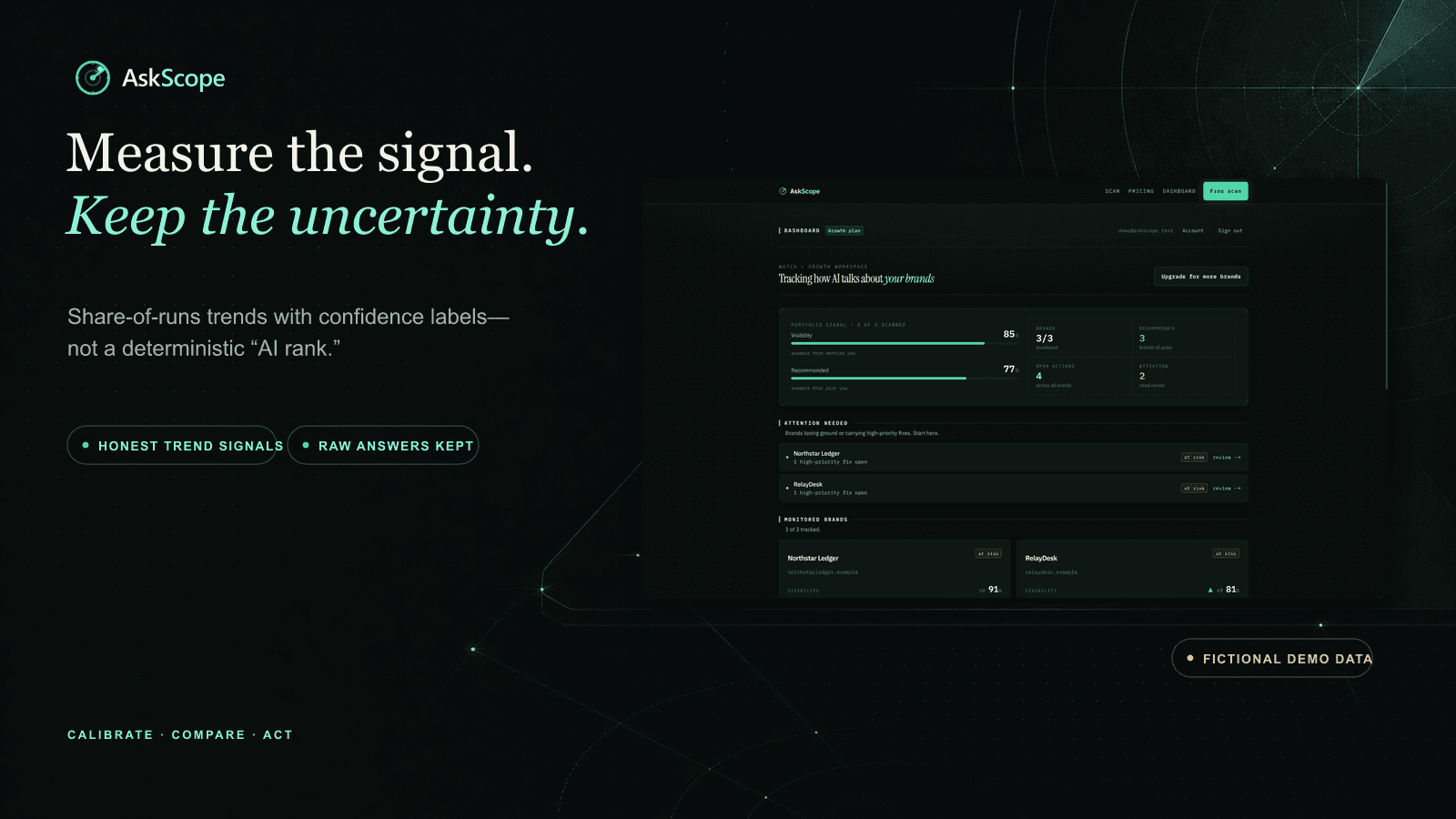
AskScope measures whether AI assistants recommend your business. It deliberately doesn't report a single "AI visibility score" — here's the scoring code, the empty gauge it produces, and why we think that trade-off is the right one.
We sat down to write the "August deadline" post our own marketing plan called for, checked the current text first, and found the deadline had been amended out from under us. Here's what genuinely lands, what moved, and why the client questionnaire is the harder deadline anyway.
The template deliberately names no AI tool, because the tool list changes weekly and the policy shouldn't. Here's the full text, the reasoning behind each section, and what we left out on purpose.
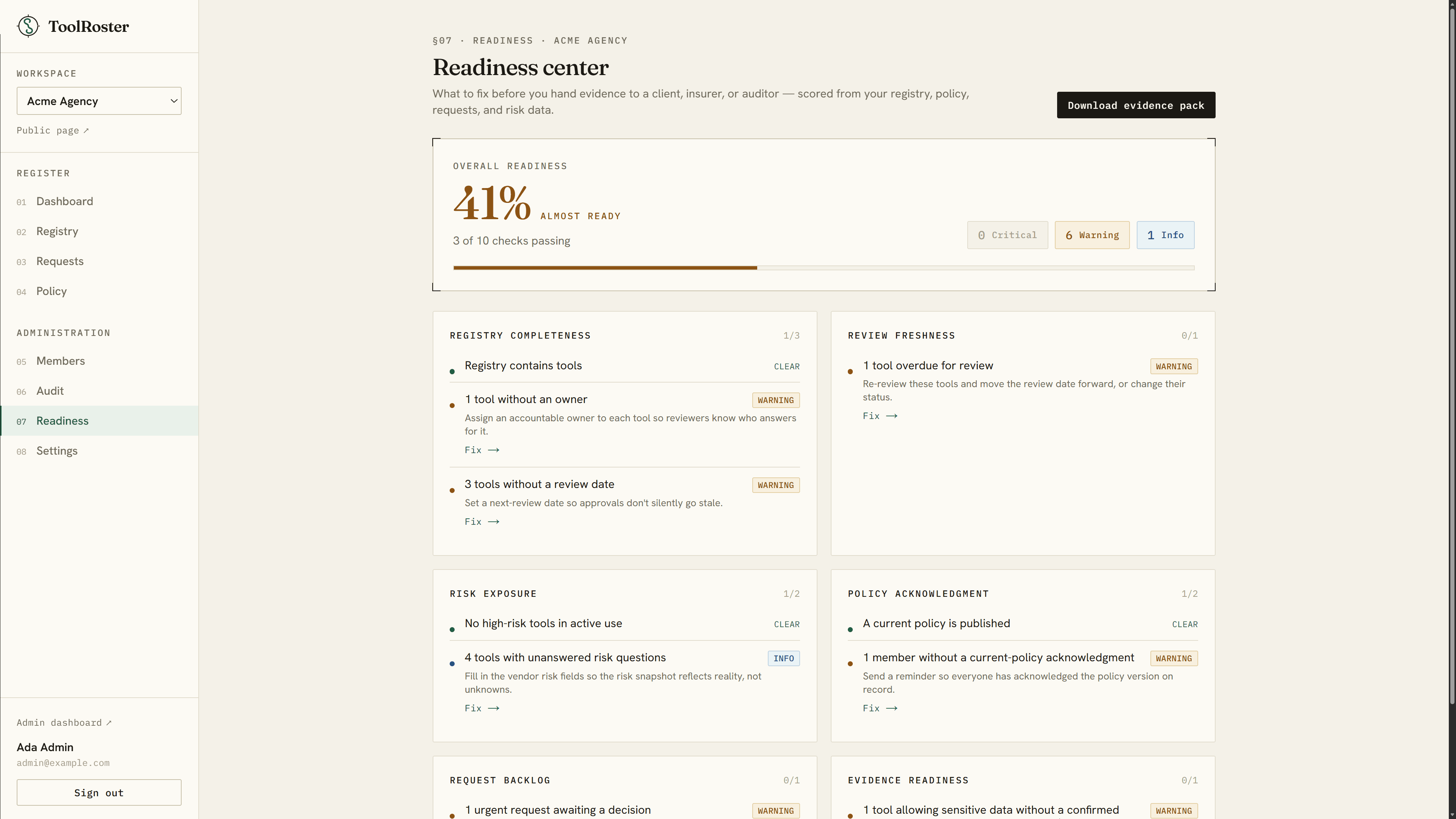
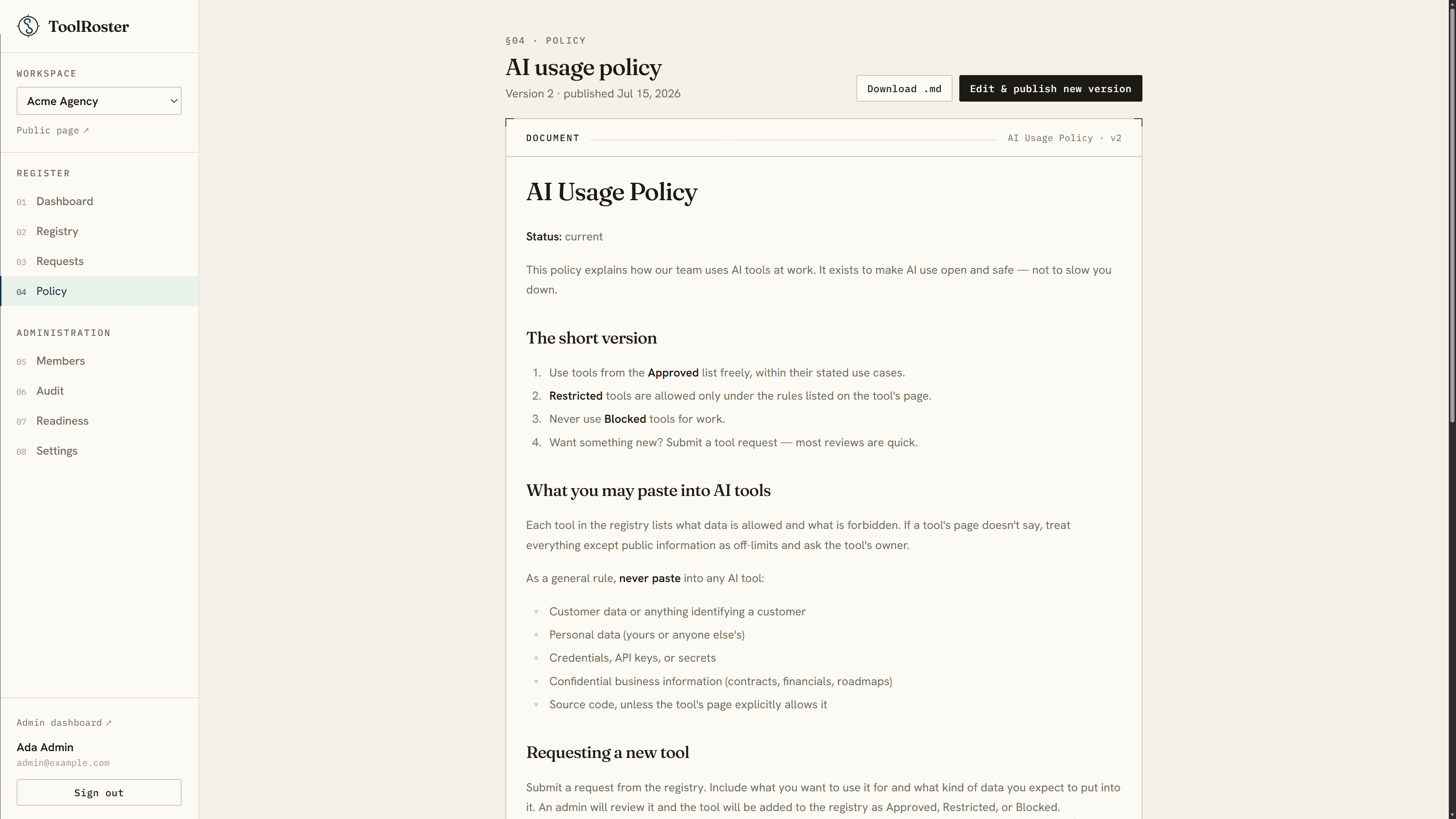
We spent an afternoon researching the risk of twenty AI tools and found five questions with no public answer — because they aren't facts about the tool, they're facts about your own company that nobody wrote down.
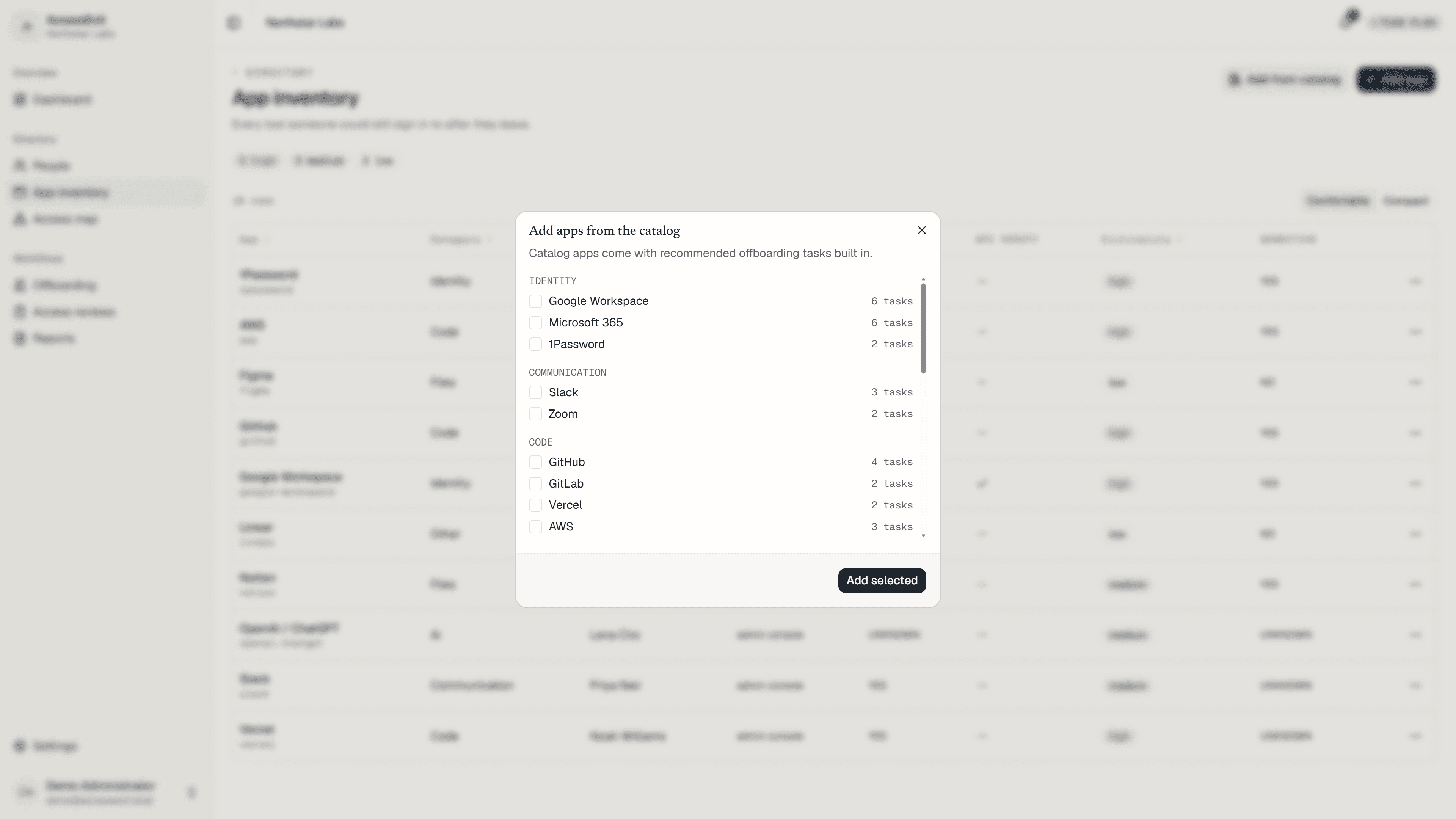
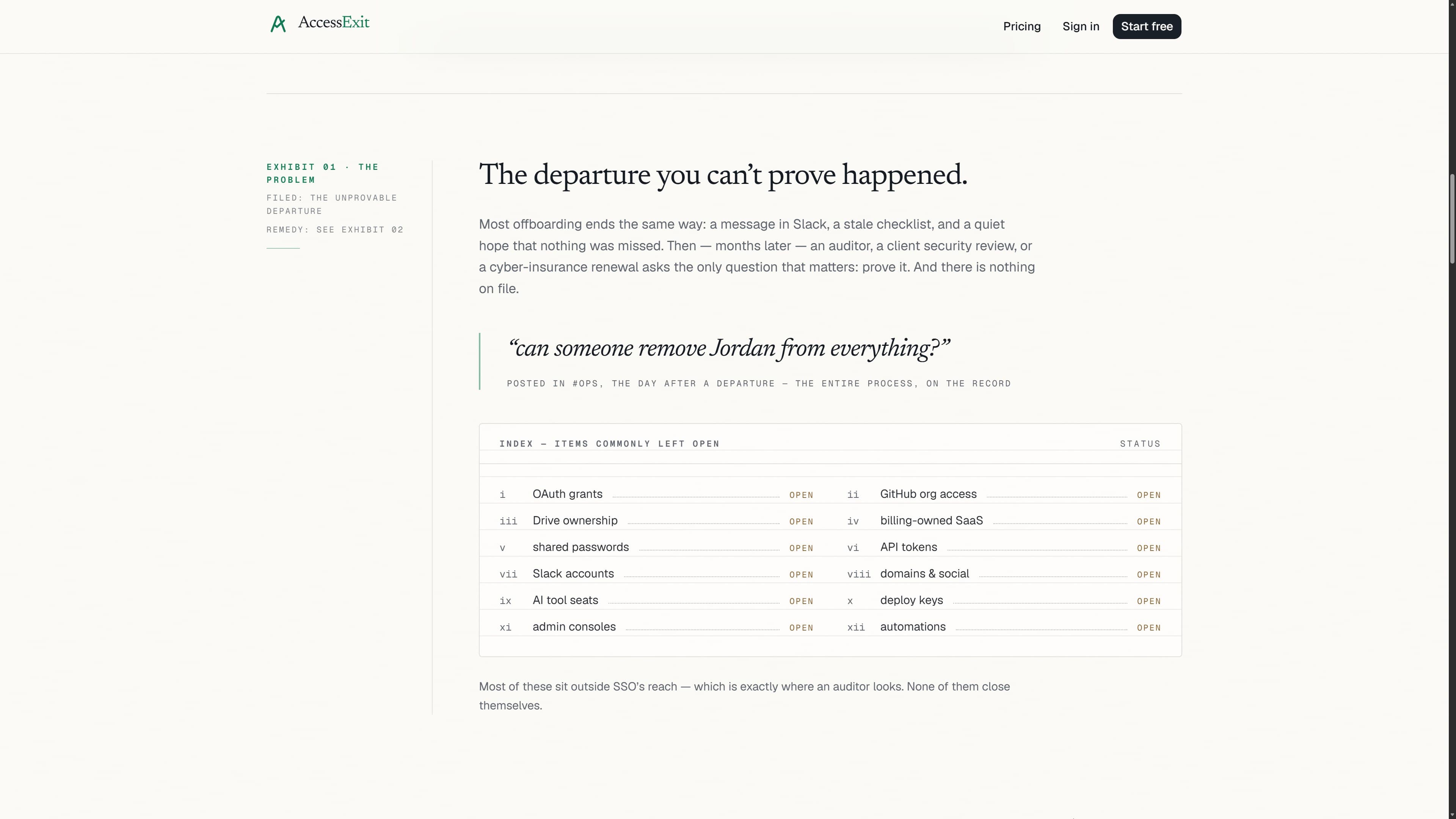
AccessExit generates offboarding checklists with rules, not a model — not because AI is bad, but because the output is an audit artifact, and three places in the code exist purely to stop the product claiming more than it can prove.
"No login" sounds like less security work. It's more. Here's the token design, rate limiting, and audit trail behind a public client-approval link — and what we'd do differently.
When we looked at who we were really competing with for client approval, it wasn't Filestage or GoVisually — it was a free Slack message that says "yes." Here's how that changed the product.
"Looks good" feels like a green light, but it isn't an approval. Here's why fuzzy sign-off costs freelancers late payments and unpaid revisions — and what a real approval needs.
SSO and SCIM deprovisioning are gated to enterprise tiers, so small teams pay the "SSO tax" in manual labor and unprovable offboarding instead. Here's the honest arithmetic — and the pragmatic way out.
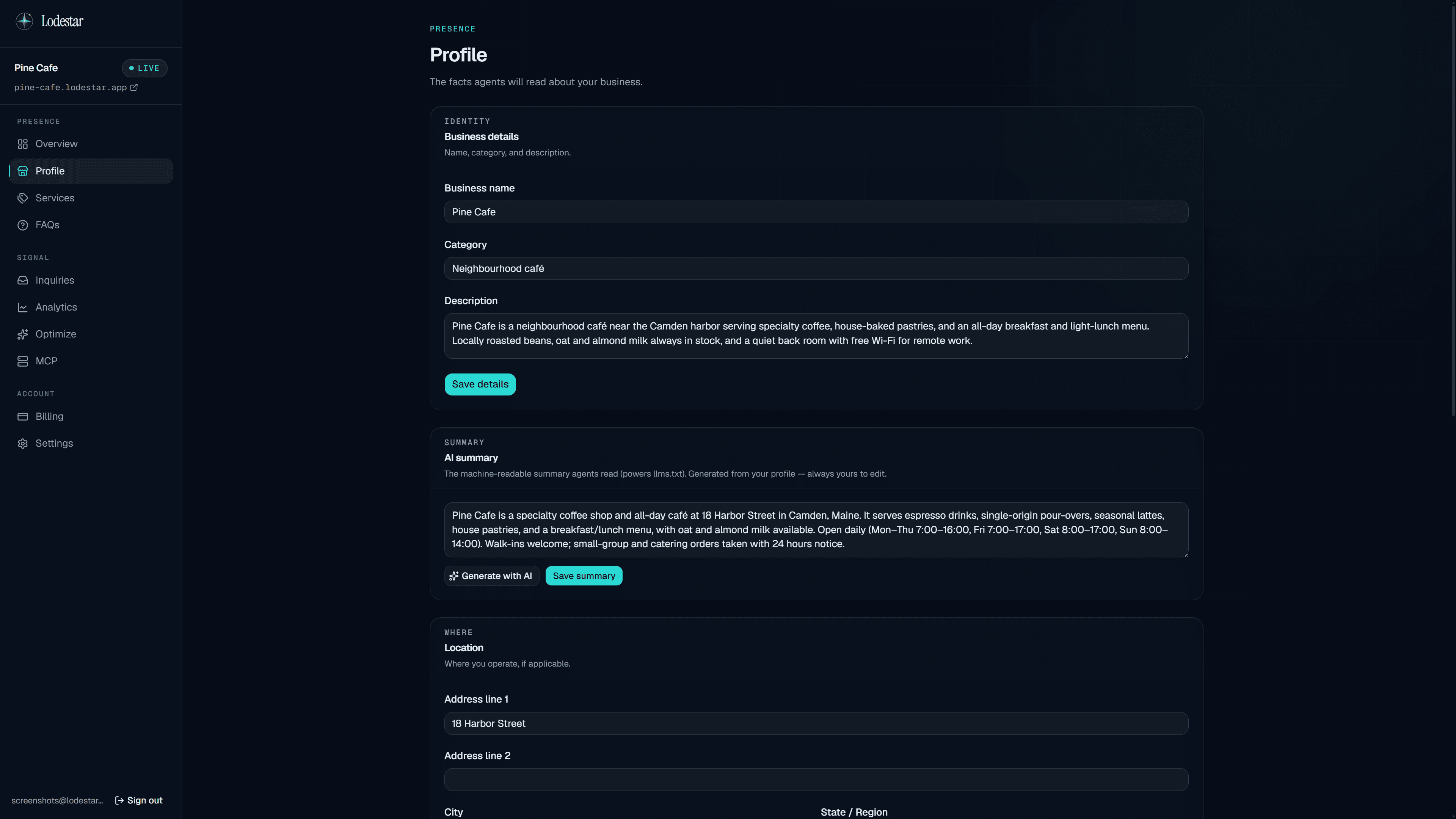
"Agent-readable presence" sounds like a black box. It's mostly a few plain files — an llms.txt, a schema.org JSON-LD block, a discovery doc. Here's what's actually in them for a small business, and how to write one yourself.
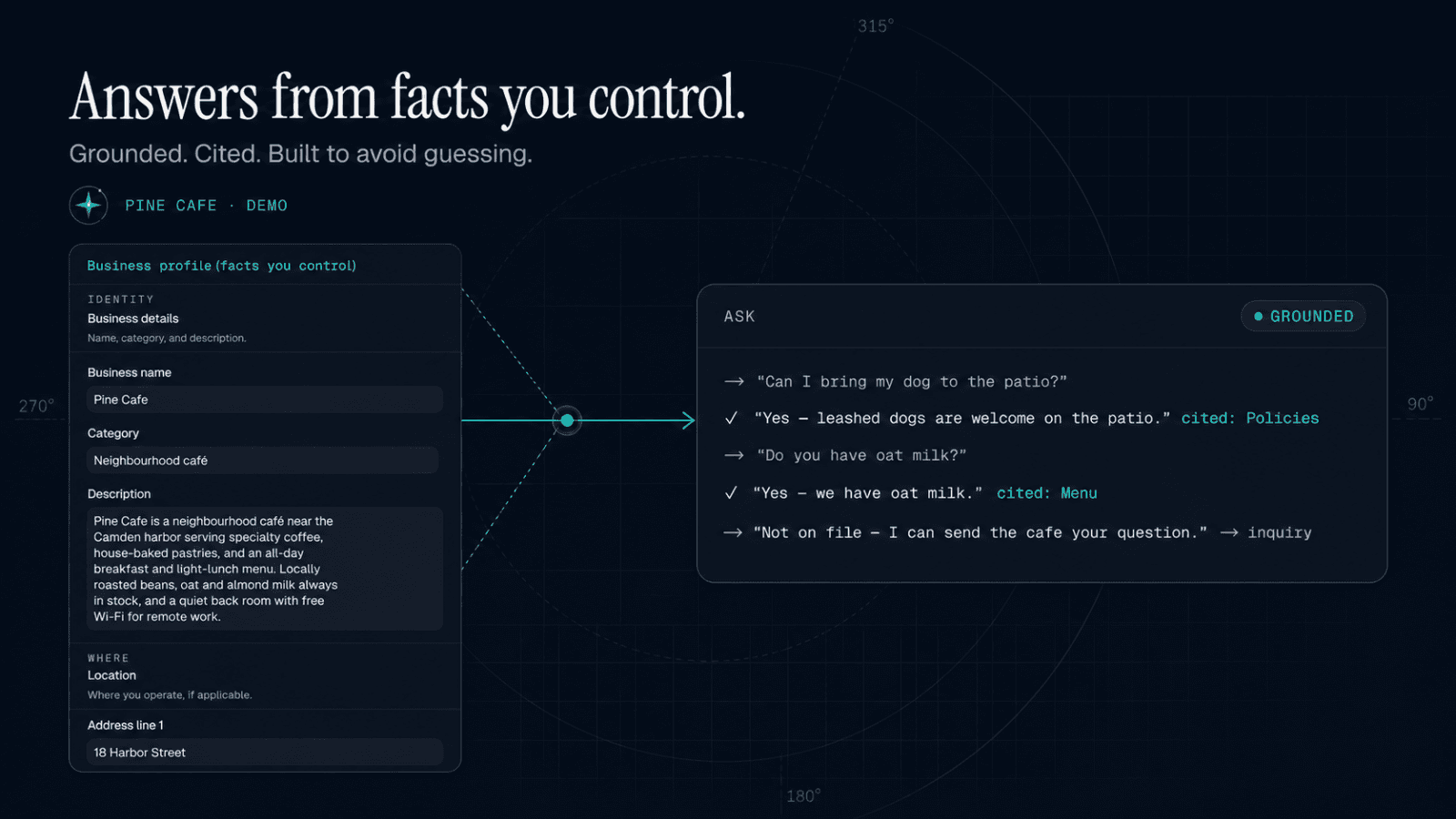
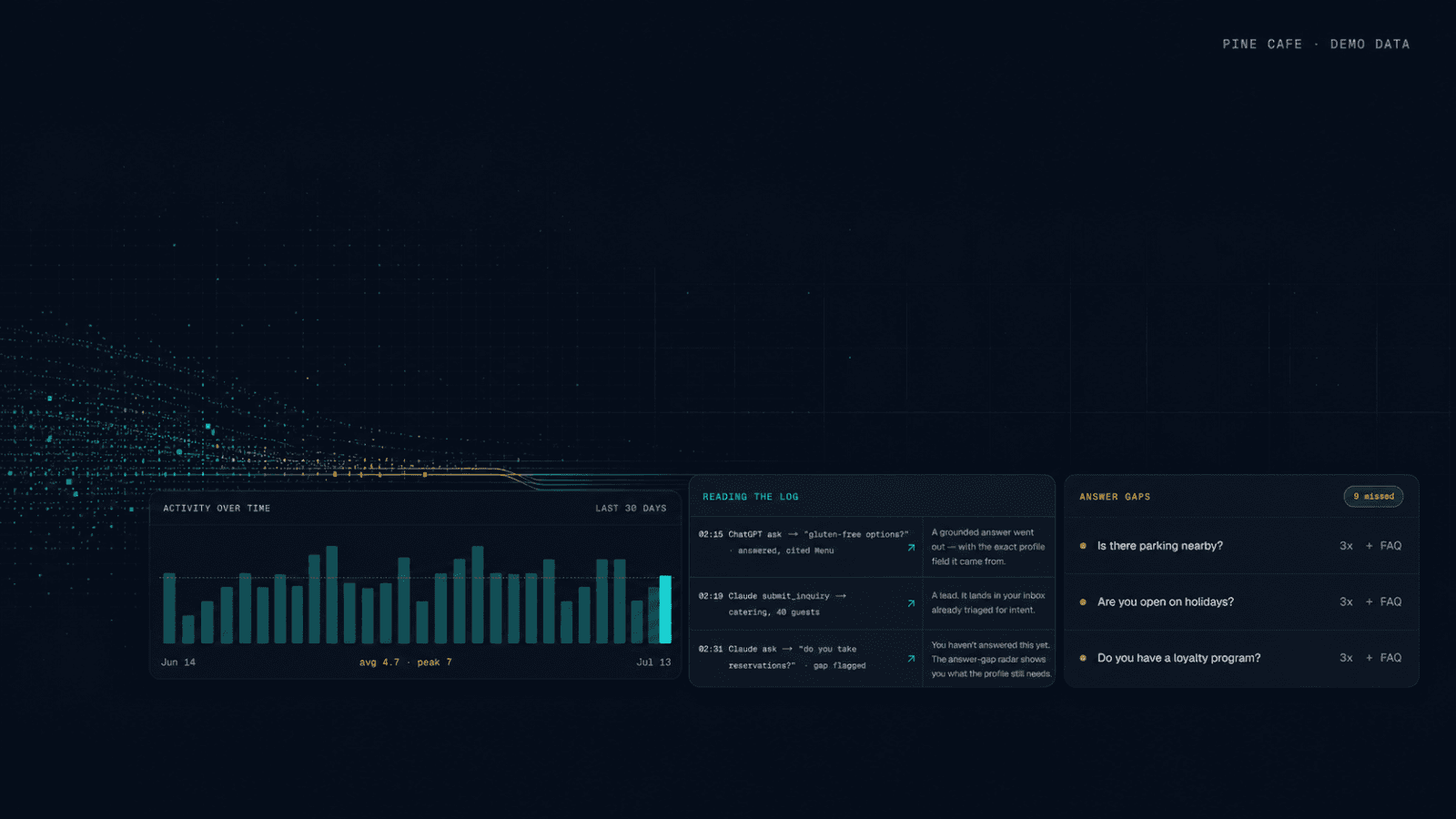
Building an AI tool to answer factual questions about a business meant teaching it to refuse. A grounded pattern worth stealing: cite the source field, design the "I don't know," and log the misses.
AI assistants now answer customers directly, from whatever they can read about your business — and you can't see the ones you lose. Here's the five-minute test to read the page your customers already do.
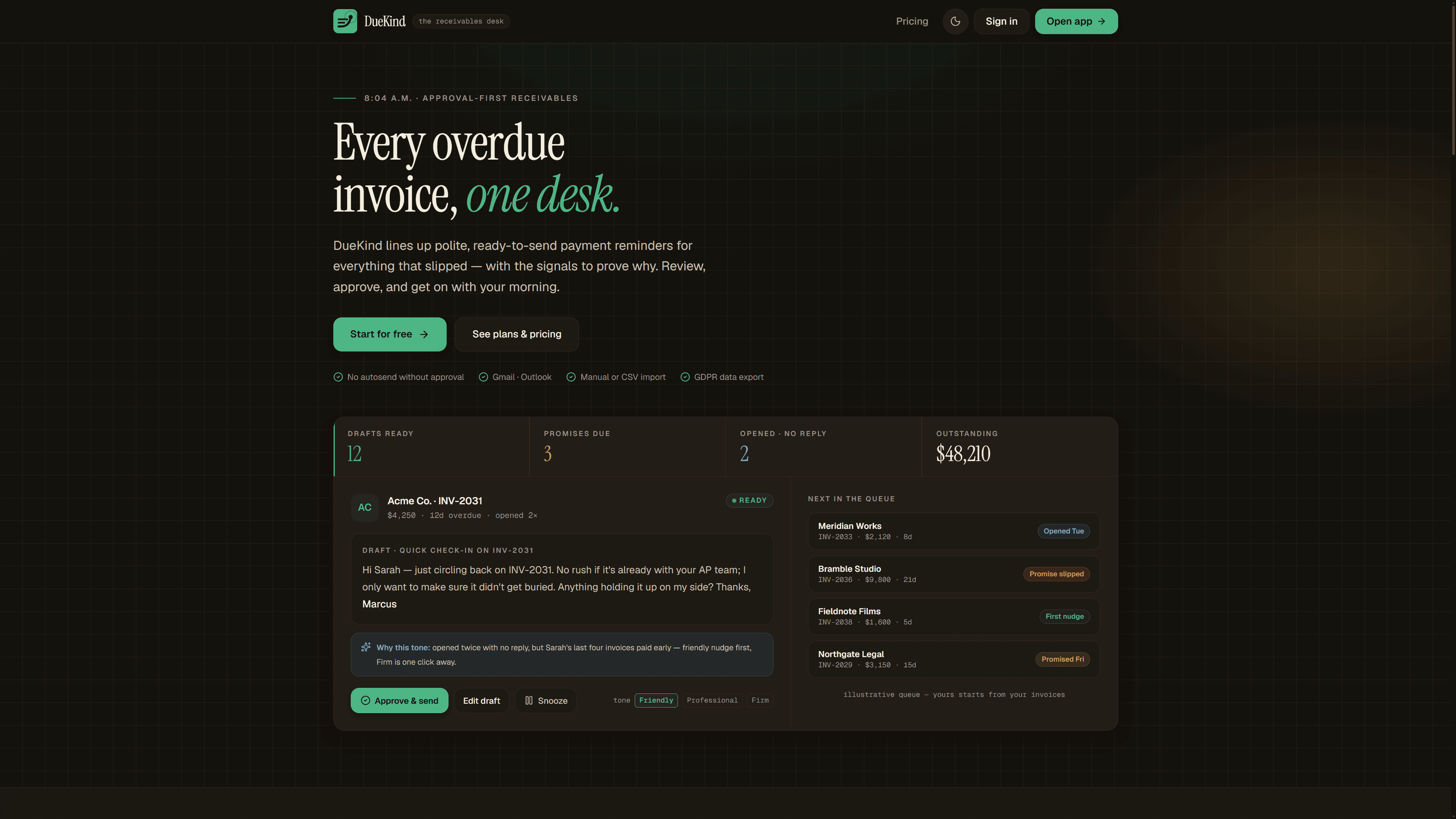
The awkward part of chasing a late invoice was never the wording — it's deciding tone in the moment. A four-rung follow-up ladder that keeps you polite longer and gets firm only when it's earned.
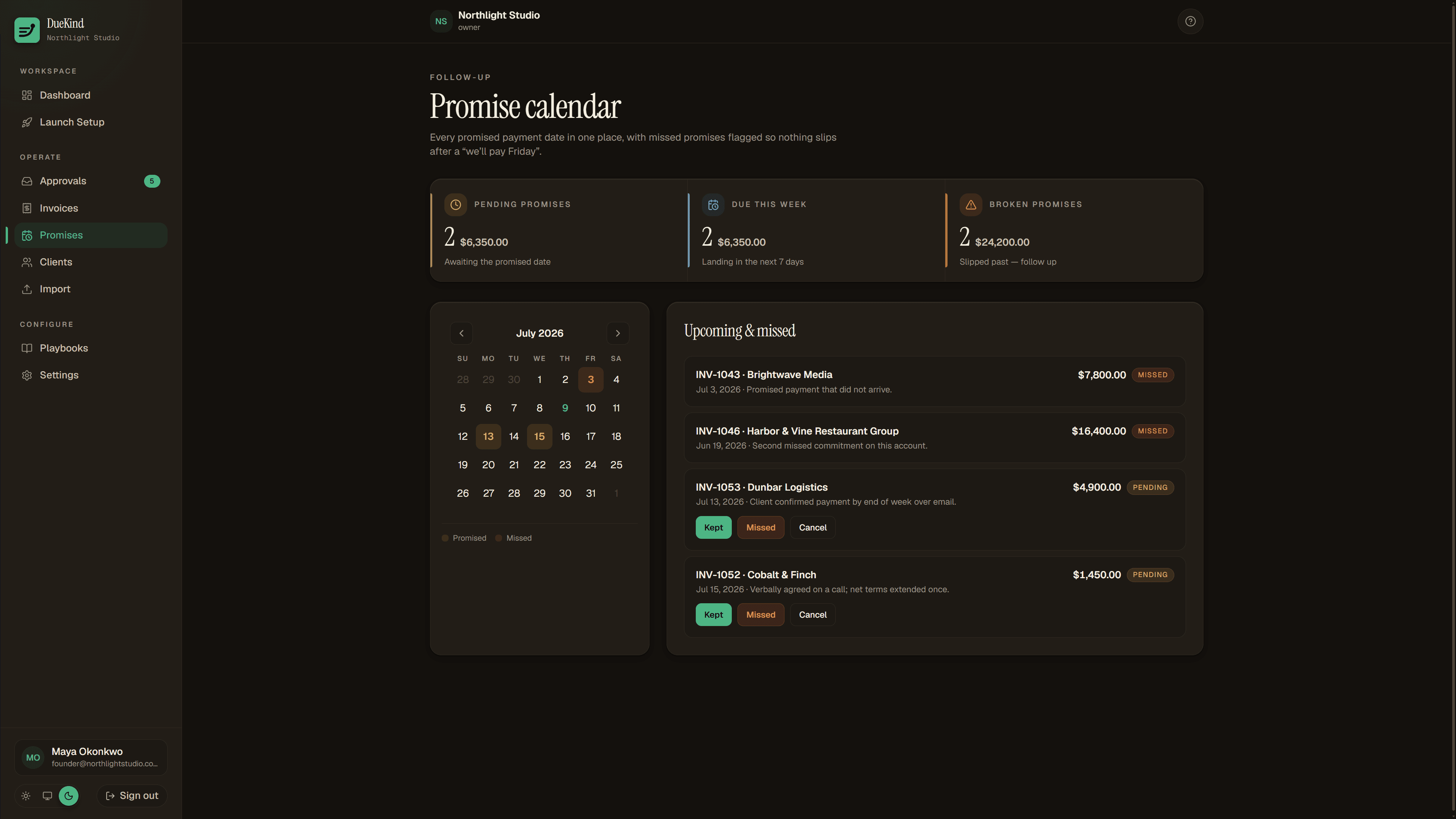
A verbal "we'll pay Friday" feels like progress — and quietly drops the thread. How to record a payment promise and follow up the next Monday without sounding like you're chasing a debt.
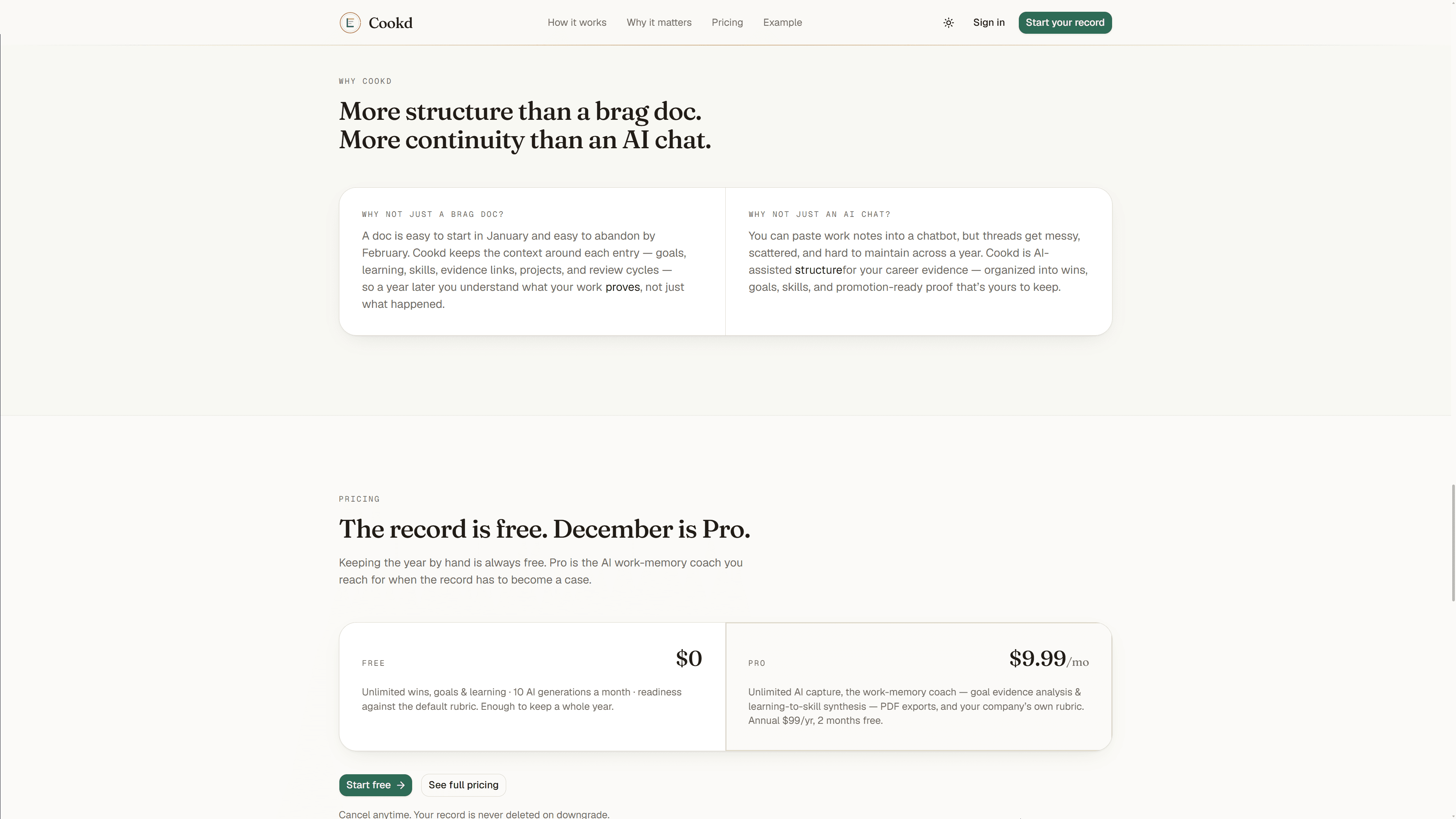
Your brag doc didn't die because you're undisciplined. It died from friction, formlessness, and no reason to return. Why "journal daily" is the wrong fix — and the habit design that actually survives a busy month.
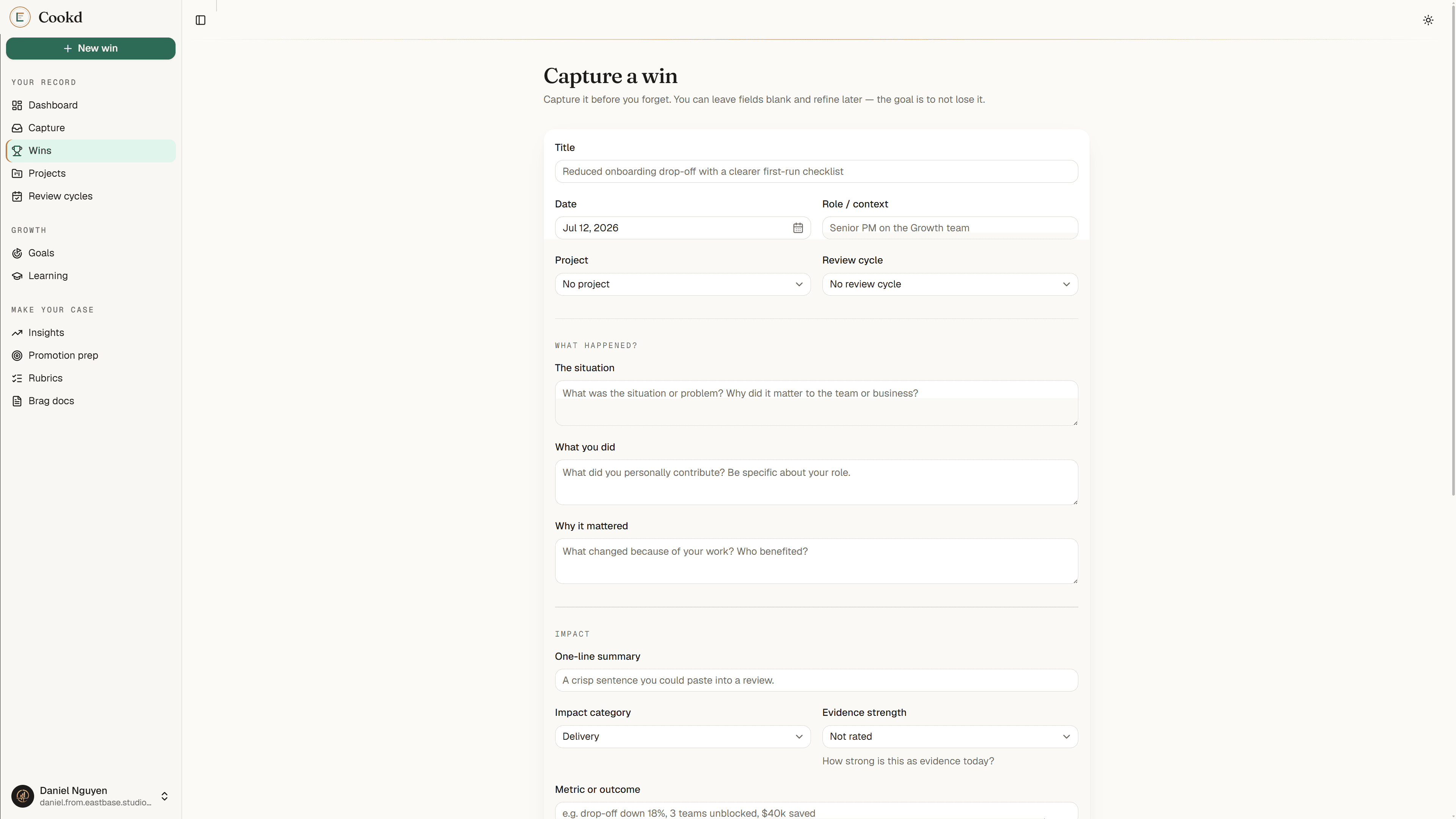
"Improved onboarding" is a category, not an accomplishment. A repeatable recipe — situation, action, result, and one honest number — to rewrite vague bullets into evidence a calibration room can't ignore, plus what to do when you don't have a metric.
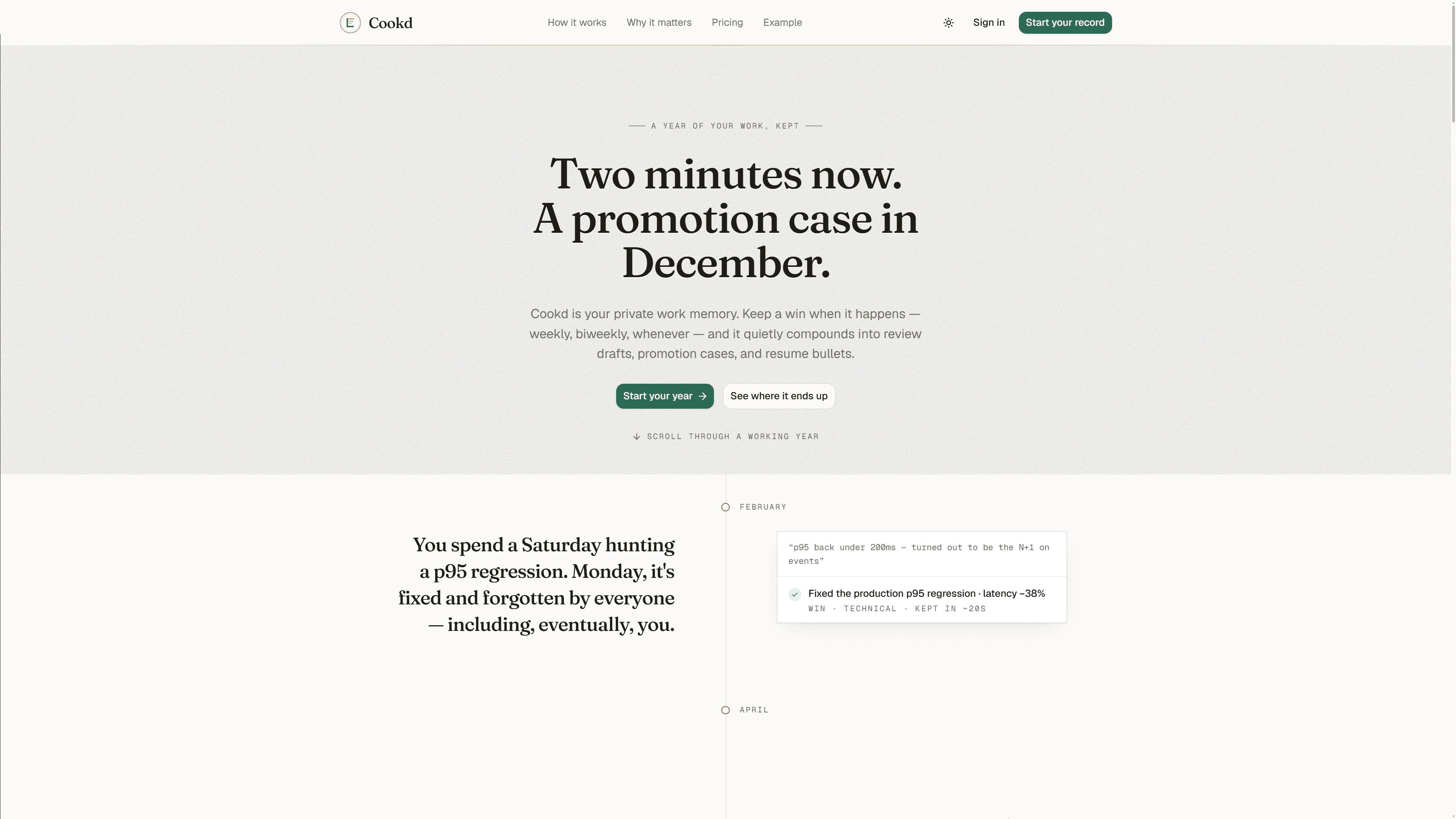
The night-before-review scramble feels like proof you didn't do enough. It isn't — it's a memory problem, not a competence one. Why keeping a record of your work beats reconstructing it under pressure.
Paste your rough notes into an AI and it quietly hands back a metric you never measured. The one rule that keeps AI useful instead of dangerous for the writing you'll defend in a room: shape the wording, never invent the numbers.
Integration code is written by agents now, not by hand — so BurnCap ships the prompt, not a quickstart. Why a prompt can be an executable spec, not just copy-paste.
How BurnCap keeps its own API costs and latency bounded with three cheap layers — and a Redis layer built so that losing Redis changes nothing.
BurnCap's Insights feature is the smart part of an AI cost tool — and it calls zero models. Why the most AI-native decision we made was choosing not to use AI.
AI products are cheap to prototype and unpredictable in production. Provider dashboards log the burn — none of them stop it. The first note in an open build log.